
What We Do
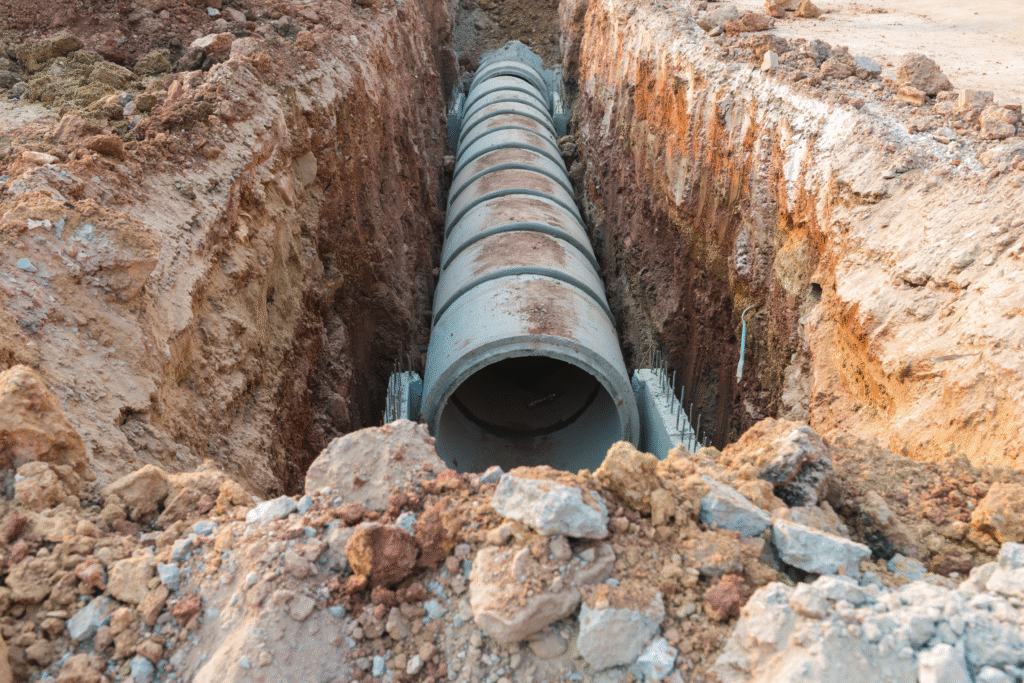
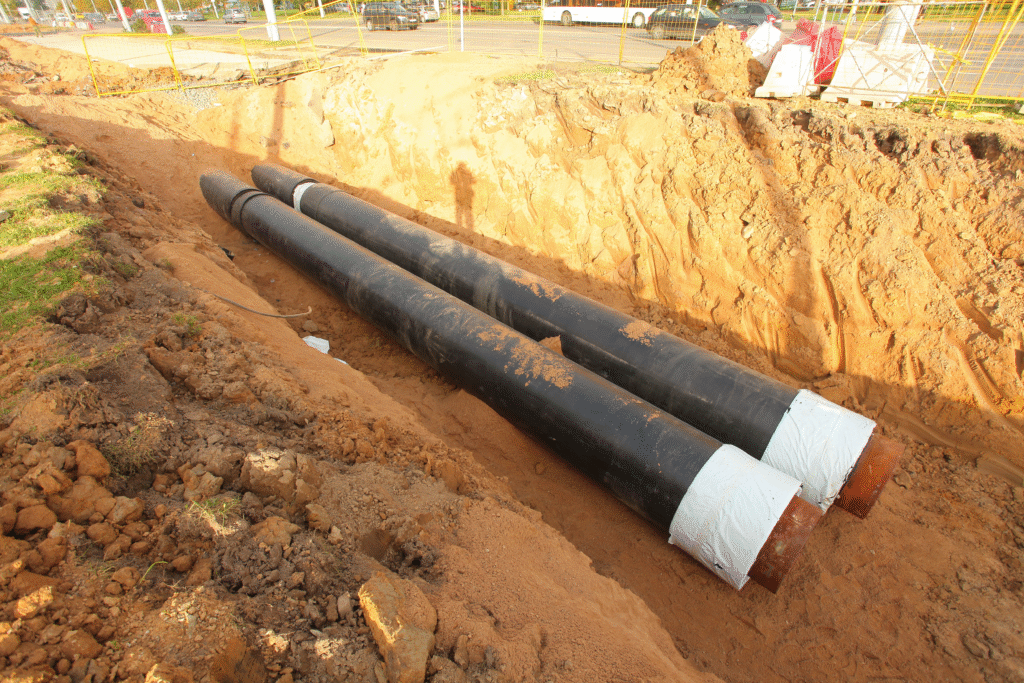
We design and install reliable drainage systems that protect your site and keep water flowing where it should. From foul and surface water runs to manholes and attenuation, we work to drawings and levels with a focus on correct falls, tidy installation, and a clean handover for the next stage.
AT A GLANCE
what's Included
• Foul water drainage runs and connections
• Surface water drainage runs and connections
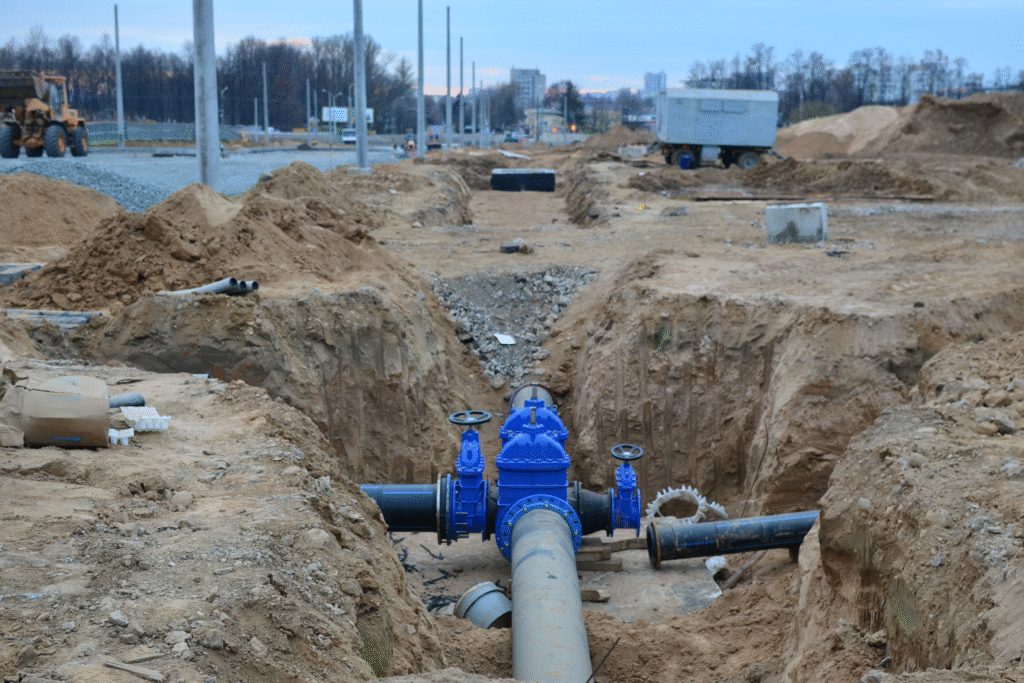
• Manholes, inspection chambers, and covers
• Attenuation tanks, crates, and associated pipework
• Soakaways and infiltration systems (where suitable)
• Gully installation and yard drainage solutions
• Levels, falls, and route setting-out to drawings
• Protection of installed drainage during follow-on works
• Drainage repairs and replacements on existing sites (where required)
What You Can Expect
• Correct falls and clean, consistent pipe runs
• Careful coordination with groundworks and other trades
• Tidy site practice and safe, organised working areas
• Clear communication on progress, access, and sequencing
• A handover that’s ready for the next stage, not “nearly done”
Frequently Asked Questions
Do you install both foul and surface water drainage?
Yes. We deliver foul and surface water systems, including connections, chambers, and associated components to suit the design.
Can you install attenuation systems?
Yes. We install attenuation tanks or crate systems and connect them as specified, working to levels and routes shown on drawings.
Do you work on live or occupied sites?
We can. We plan access and phasing to minimise disruption, keep areas safe, and maintain tidy working zones throughout.
What do you need to provide a quote?
Ideally drawings, site location, proposed programme dates, and any known constraints (access, existing services, ground conditions). If you don’t have drawings, we can still discuss the scope and advise the best next step.
Can you fix existing drainage problems?
In many cases, yes. We can assess the issue and carry out repairs or replacements, then recommend improvements to prevent repeat problems.